


10 CHILDREN'S ROOM DECORATION TIPS
Many of us remember the feeling when we got to help decorate our own bedroom for the first time. Whether it was the whole room or just choosing the color, it really became our own little den. Children’s rooms should both stimulate play and imagination, but at the same time be a place where you can feel safe and recharge your little batteries. Here we have put together 10 tips that you can check off when it’s time to decorate your child’s room. You will get both examples and smart tips that will not only make the child’s room practical and beautiful to look at, but also inviting and fun to play in.
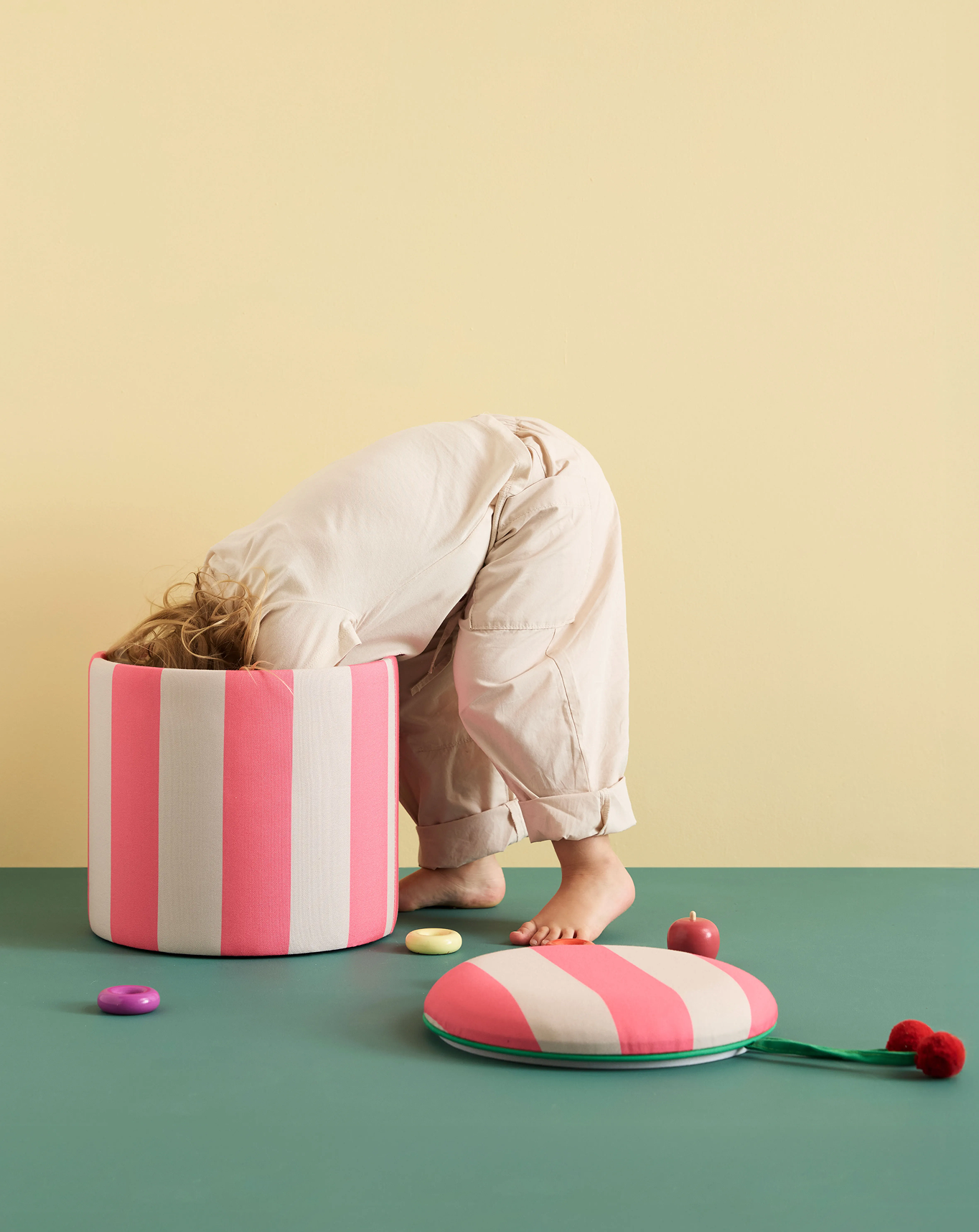
Storage, storage, storage.
Many of us remember the feeling when we got to help decorate our own bedroom for the first time. Whether it was the whole room or just choosing the color, it really became our own little den. Children's rooms should both stimulate play and imagination, but at the same time be a place where you can feel safe and recharge your little batteries. Here we have put together 10 tips that you can check off when it's time to decorate your child's room. You will get both examples and smart tips that will not only make the child's room practical and beautiful to look at, but also inviting and fun to play in.
Decoration for the children's room.
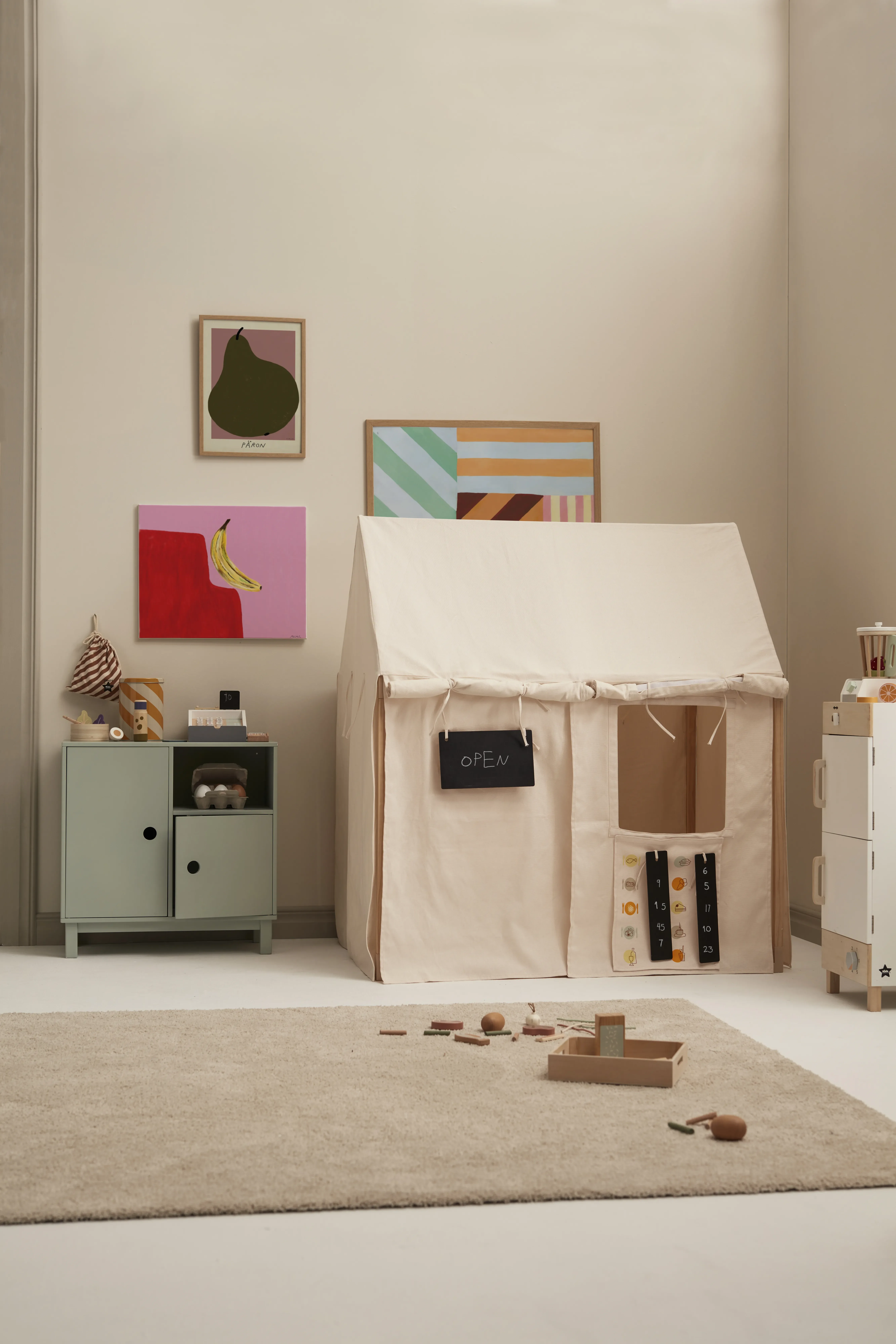
Instead of decorating with unnecessary trinkets that don't add any function, you can use toys. Why not lift the color theme in the room by hanging a children's guitar on the wall in a matching accent color? If you shop for toys within the same concept here at Kid's, you can be sure that the children will not only be able to play with everything in the room, it will also look nice together.
How to color a children's room.
Colors can both encourage play and also give a calming impression. Let your child help choose which one of their favorites and incorporate it into the children's room to make it really feel like their own place in the home. However, this does not mean that all the walls should be painted neon orange if it is the favorite. Instead, use the color scheme "60-30-10" if you want a simple rule of thumb on how you can decorate with color in your children's room
*60% of the room should consist of a base color. This is the color used on the largest surfaces such as floors, walls or furniture.
*30% should be in a complementary color that you can have on rugs, curtains, bedspreads, lamps and storage, for example.
*10% can be the decoration color. Here, for example, you can highlight your child's favorite color and use it on pillows, paintings, or toys, for example. This makes it easy to change things up as your child grows and you want to bring a new style into the room. Another suggestion is to come up with 5 colors that your child can choose from so they feel involved and you reduce the risk of a color crash.

Sustainable children's furniture.
Children's tastes and preferences can change as often as an adult changes socks. That's why it's good to have neutral basic furniture that can last a long time. At the same time, it's important to choose furniture that lasts a long time without breaking. By decorating with children's furniture made of wood, you can be sure that it will last so long that even siblings and younger cousins can inherit it. Choosing FSC-certified® wood also shows that it comes from responsible forestry. That's what we call sustainable, both for the environment and your wallet.
Don't place furniture along the walls.
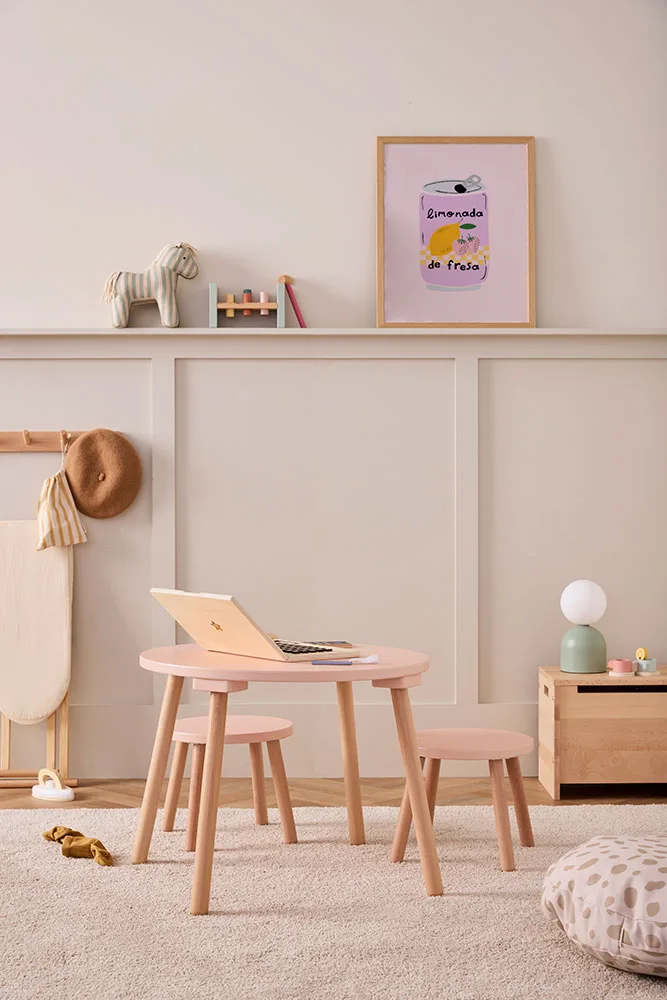
A common mistake many people make is to place all the furniture along the walls. This tricks the eye and makes the children's room feel smaller than it actually is. Why not try pulling the children's table out a bit instead of pushing it against the wall? You can also draw out the walls of the children's room on a regular A4. 1 m can be drawn as 2 cm on a piece of paper. Then cut out rectangles that can act as a bed, table, clothes rail, cupboard and more and move them around on the paper until you find a variant that suits you. And as I said, dare to leave the wall sometimes.
Ergonomics and children's furniture.
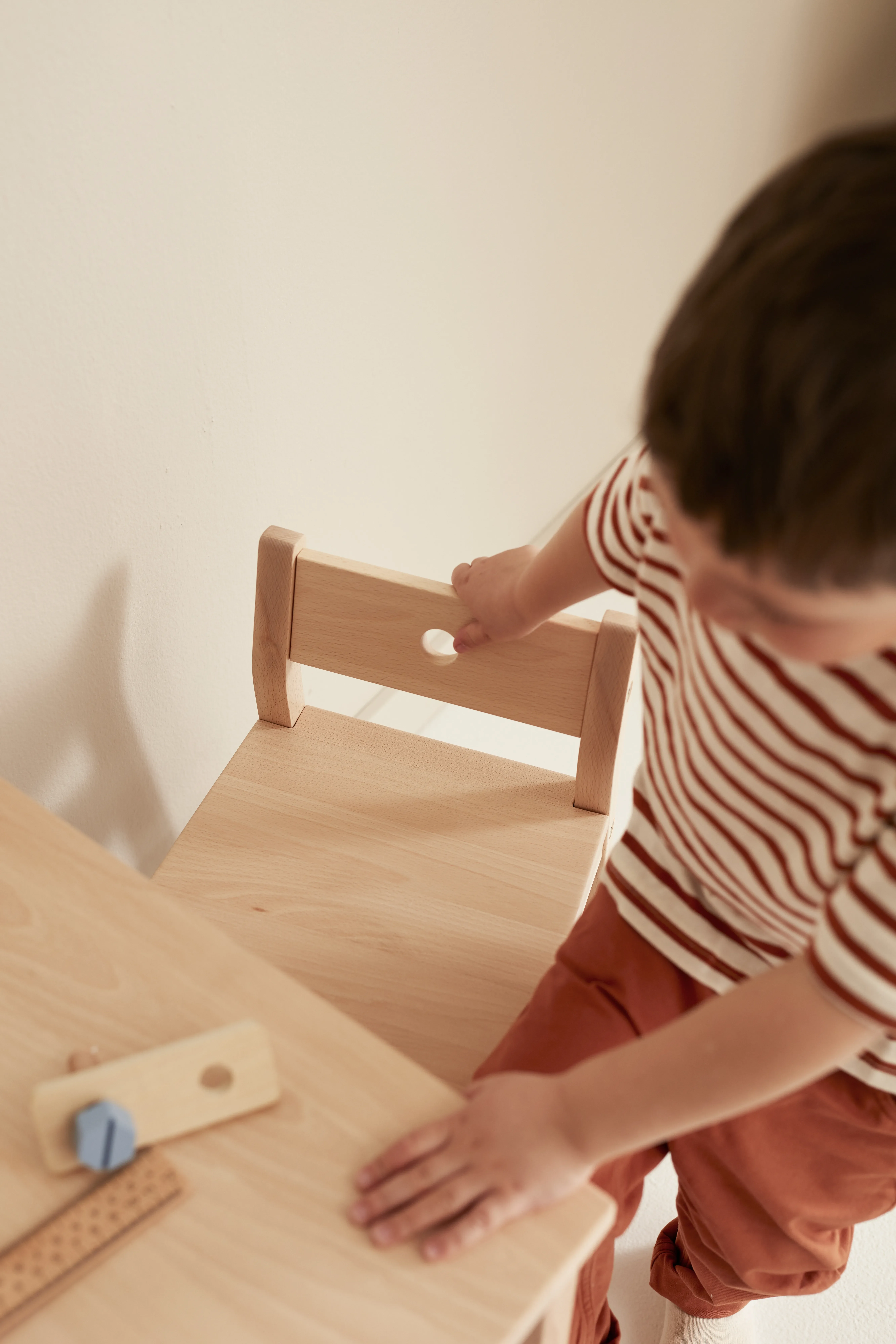
If there is room for tables, chairs, poufs and armchairs, it is an excellent way to encourage calmer games when all the running around has stopped. Think about what your child likes to do. If your child loves to do puzzles and draw, then perhaps a table and chair are important to include. If their favorite thing is to look at books, perhaps a sofa or armchair would have been the dream for your child. Regardless, it is important to furnish with children's furniture. They are both ergonomically designed for children, which means that they sit better and can play in a better position at the table. It is also easier for them to get up and sit on the chair or sofa themselves. In addition, for example, a children's armchair takes up less space than an adult-sized one.
Don't forget the cozy corner.
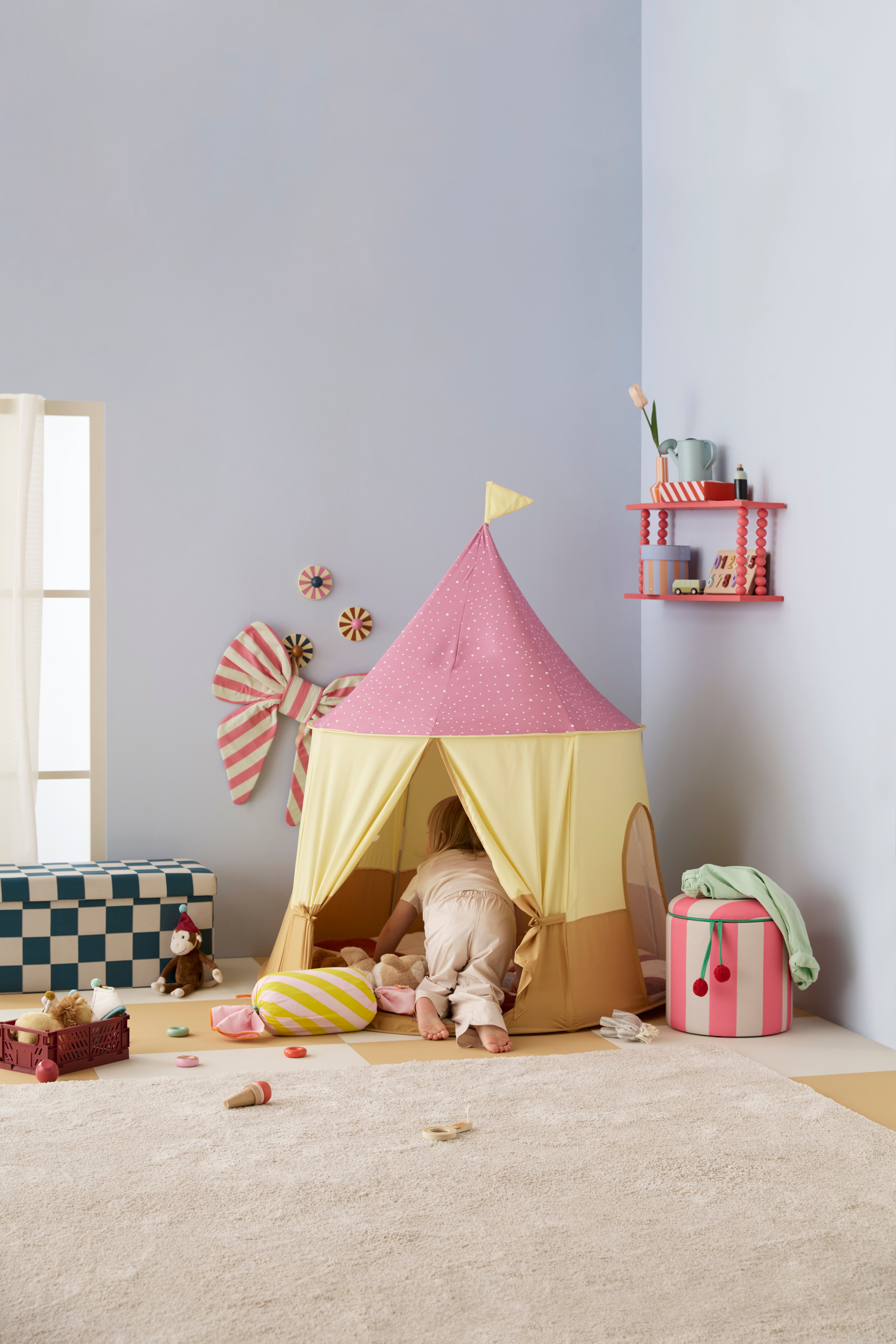
When not being used as a shop, castle or something else exciting, tents or playhouses can give children a place to feel cozy and safe for a while. A place to hide away when you've had a lot of impressions or just want to rest with a book. In addition to pillows, blankets and a string of lights, you can set up a basket or box with some books, stuffed animals or anything else that your child likes to snuggle with.
Lighting for the children's room.
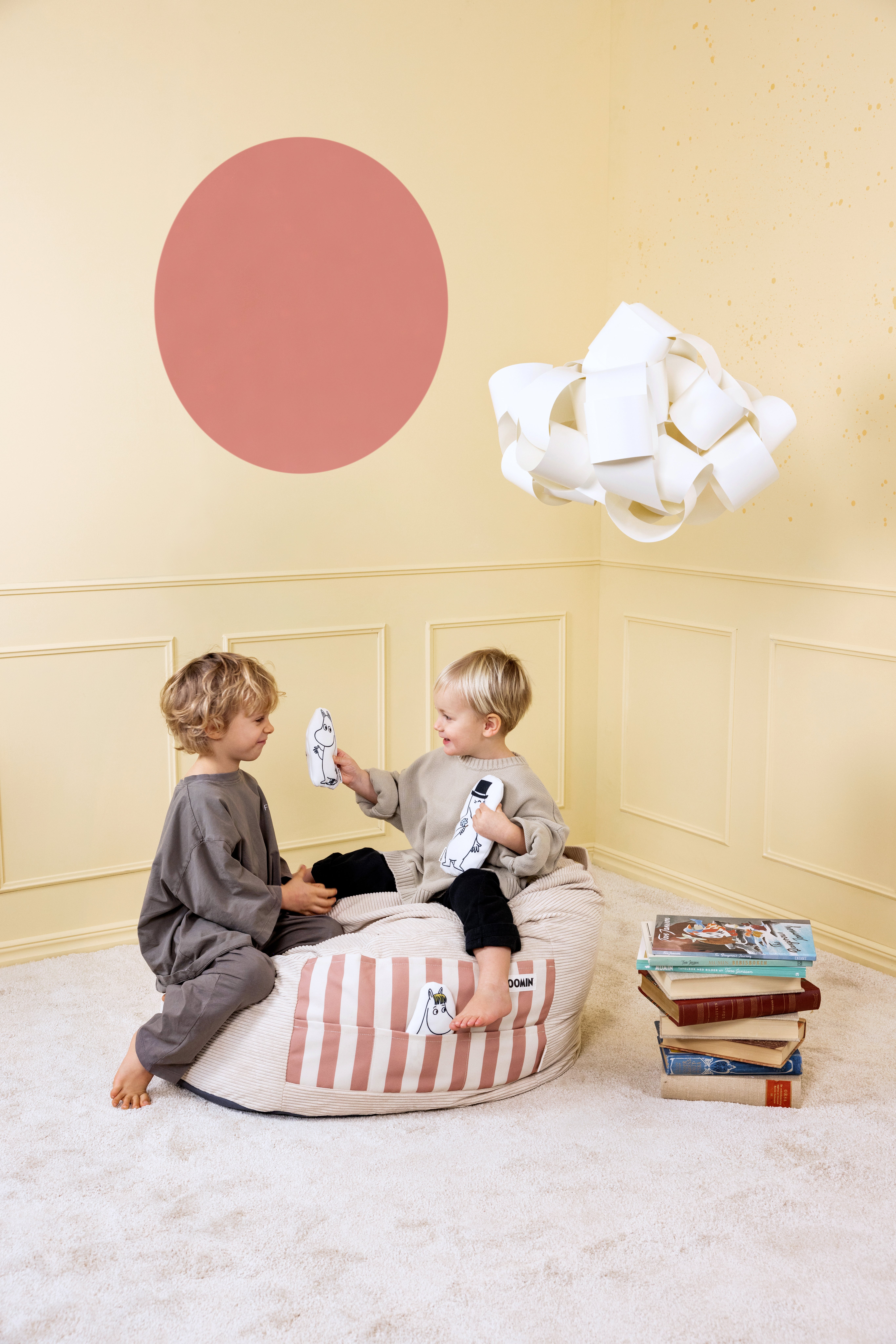
Did you know that a children's room should have about 5–10 light points? They not only affect the style of the room but also the mood and functionality. So decorate the children's room with lighting based on how the room will be used. Here are some examples of what you may need.
General lighting
A ceiling lamp or spotlights that provide a soft light over the entire room.
Decorative lighting
You don't always want the ceiling lamp on, so you should make sure to have light points with soft light to create a cozy atmosphere in the room. These can include window lights, smaller lights on the shelves, and a string of lights in the play tent.
Functional lighting
It is important not to forget lamps with directional lighting that can make it easier when doing crafts or reading books in the evenings. These can be placed by a table, the bed, and by the favorite armchair.
Night lighting
Unlike all other rooms in the house, night lighting may also be needed in the children's room. Some children like to sleep in a dark room, while others may find it a bit scary. So consider whether a small nightlight next to the bed with low lighting is needed or a nightlight socket by the door that makes it easy for children to find when they need to go to the bathroom in the middle of the night.
Play area on the floor.
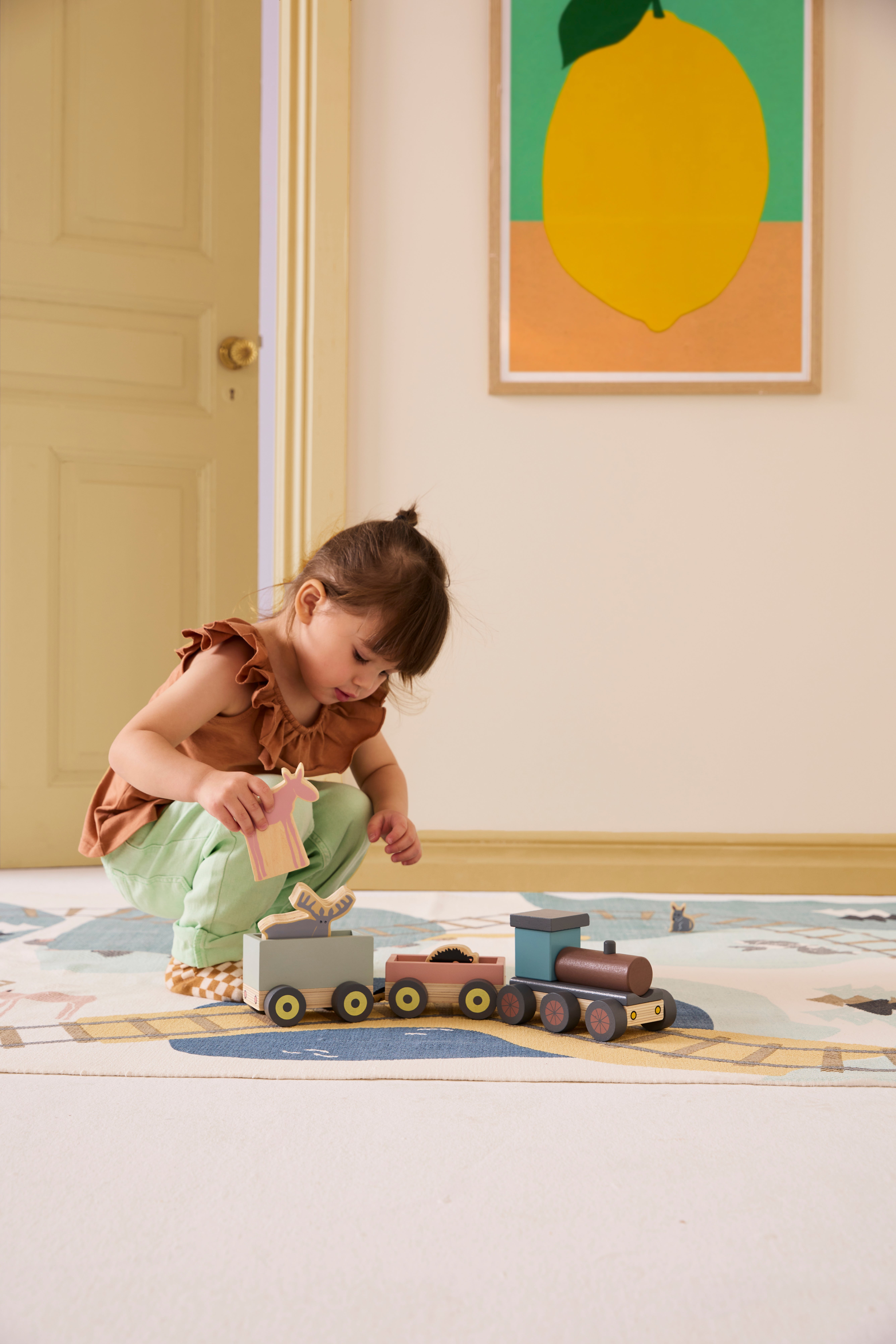
Sure, it's fun to shop for furniture and decorate. But unlike the rest of the house or apartment, a children's room needs one more thing. Namely, an "empty" area on the floor where they can play. Far from all children want to sit at a kitchen table and mess around, which means you have to create a dedicated space for the children to be able to move freely on the floor. Where else are they going to be able to slide around with their cars, do somersaults or dance-stop?
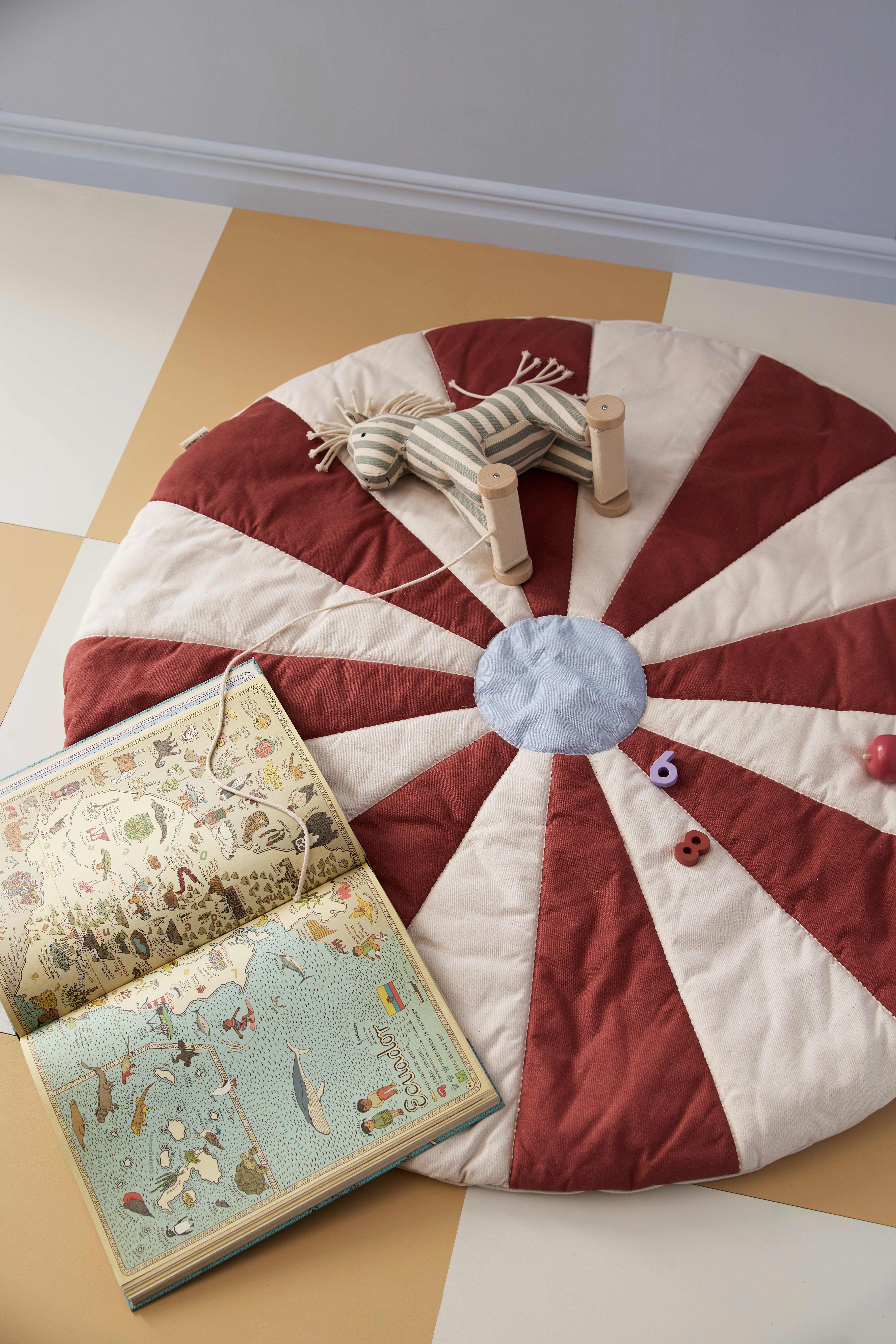
Children's rugs.
It's not just the children who will crawl around, but also parents, friends, grandparents will be able to sit down on the floor to play with the children. Then it's nice to have a rug that is sound-absorbing, protects little feet from cold floors and is soft to play on. If you have a larger room, you can even have several. Regardless of your style, choose a rug that encourages play. It can be car tracks, patterns or landscapes. It doesn't have to be loud or feel messy. Today, there are several nice rugs that are still playful. Important! Don't forget to buy an anti-slip mat that you can put under the rug so that it stays securely in place.